


Tired of Artificial Tears? How LACRIFILL Helps Treat Aqueous Deficient Dry Eye
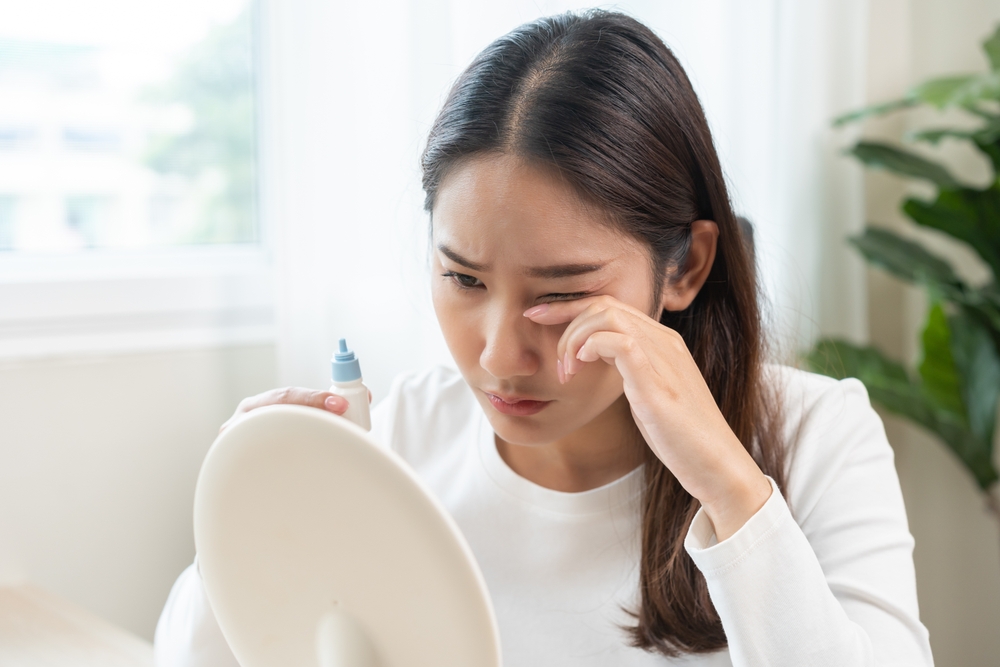
Artificial tears can provide temporary relief from dryness, but constantly reaching for eye drops may indicate that your eyes are not producing or retaining enough tears to keep the ocular surface comfortable. At Roosevelt Vision, we help patients determine what is contributing to their dry eye symptoms and recommend treatment based on the specific type of dry eye involved. LACRIFILL® Canalicular Gel may be particularly beneficial for patients with aqueous-deficient dry eye because it helps conserve the natural tears already present on the eye.
What Is Aqueous Deficient Dry Eye?
A healthy tear film depends on an adequate amount of tears as well as the right balance of water, oil, and other components. With aqueous-deficient dry eye, the eyes do not have enough watery tear volume to adequately lubricate and protect the ocular surface.
This differs from evaporative dry eye, which is more commonly associated with meibomian gland dysfunction. The meibomian glands produce the oil layer of the tear film that helps prevent tears from evaporating too quickly. When there is not enough oil, tears may evaporate faster even when tear production is adequate.
Signs that it may be time for a more thorough dry eye evaluation in Seattle include:
• Frequent burning, stinging, or irritation
• Blurry or fluctuating vision
• Watery eyes despite feeling dry
• Light sensitivity
• Eye fatigue, especially with screen use
• Discomfort while wearing contact lenses
How LACRIFILL Helps Increase Tear Volume
LACRIFILL is a hyaluronic acid-based canalicular gel designed to temporarily block the eye's tear drainage system. The gel is placed into the canalicular system, which is part of the natural pathway that allows tears to drain away from the eyes.
By reducing tear drainage, LACRIFILL helps keep existing natural tears on the ocular surface for longer. For someone with aqueous-deficient dry eye, conserving those tears can increase tear volume and provide more consistent lubrication without relying solely on repeated applications of artificial tears. LACRIFILL is designed to provide this tear-conserving effect for up to six months.
Choosing Treatment Based on Your Type of Dry Eye
Dry eye does not have a single cause, which is why identifying the type of dry eye is an important part of developing an effective treatment plan. While LACRIFILL can help address inadequate tear volume by reducing drainage, patients with evaporative dry eye may need treatment directed toward meibomian gland function, eyelid health, tear-film stability, or inflammation.
Some patients may also have more than one contributing factor. At our Seattle office, we evaluate tear quality and quantity, meibomian gland function, eyelid health, tear-film stability, and other factors before recommending treatment. This helps us determine whether LACRIFILL is appropriate for conserving natural tears or whether additional dry eye therapies may be
beneficial.
Find More Lasting Dry Eye Relief in Seattle
If artificial tears have become a constant part of your routine, a dry eye evaluation can help determine whether low tear volume, excessive evaporation, or multiple factors are contributing to your symptoms.
Schedule a dry eye evaluation with Roosevelt Vision to learn whether LACRIFILL or another personalized dry eye treatment may be right for you. Contact our Seattle, Washington office at (206) 527-2987 to book an appointment today.
All Eye
Care Services
Keep
In Touch


© 2026 Roosevelt Vision. All rights Reserved. Accessibility Statement - Privacy Policy - Sitemap
Managed and Designed by
