


When Should Kids Start Myopia Management?
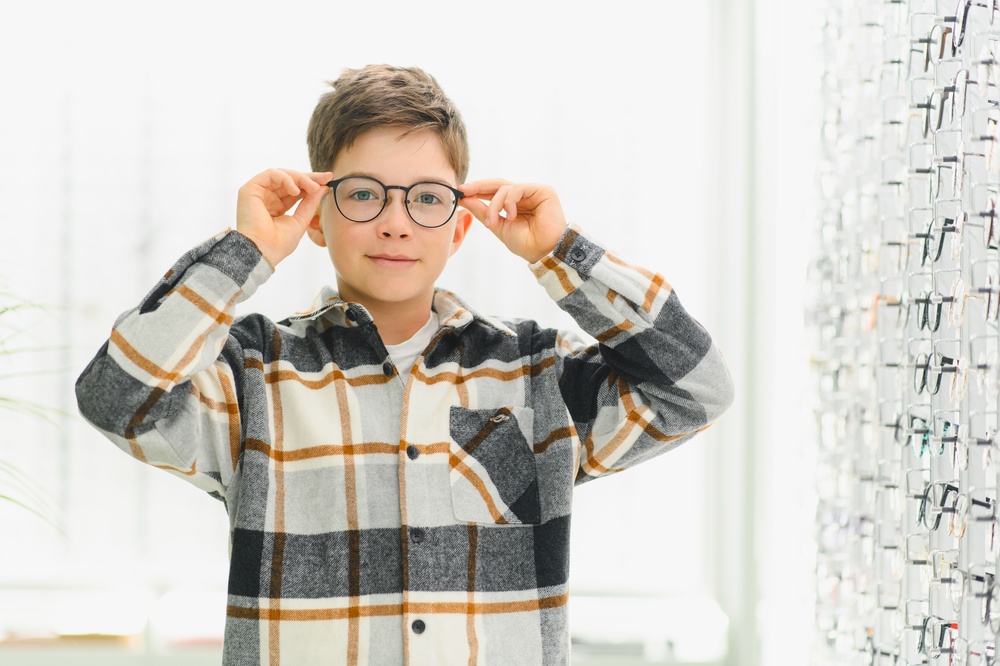
Myopia, or nearsightedness, often begins in childhood and can progress as kids grow. For families in Seattle, starting myopia management early can help slow prescription changes and support healthier vision over time. The right time to begin depends on your child’s age, prescription, family history, and how quickly their vision is changing.
What Is Myopia Management?
Myopia management is a proactive approach designed to slow the progression of nearsightedness in children. Instead of only updating glasses as the prescription gets stronger, myopia management focuses on controlling the factors that contribute to worsening myopia.When Should Parents Start Thinking About It?
Parents should consider myopia management as soon as their child is diagnosed with nearsightedness or shows signs of increasing difficulty seeing far away. Myopia can progress faster at younger ages, especially before age 9, so early evaluation is important. If your child’s prescription changes often or they are becoming more dependent on glasses, it may be time to ask about myopia control options in Seattle.Signs Your Child May Need an Evaluation
A pediatric eye exam can help determine whether your child’s vision is changing and whether myopia management is appropriate. Common signs include:- Squinting to see the board, TV, or distant objects
- Sitting very close to screens
- Complaints of headaches or eye strain
- Frequent changes in glasses prescriptions
- Difficulty seeing clearly during school or sports
- A family history of nearsightedness
Why Early Care Can Make a Difference
Myopia is more than blurry distance vision. Higher levels of nearsightedness can increase the risk of eye health concerns later in life, including retinal problems, glaucoma, and other complications. Starting myopia management early may help reduce how quickly the eye changes over time. For Seattle families, this can be especially helpful during the school years, when clear distance vision is important for learning, activities, and confidence.What Myopia Management Options Are Available?
The best treatment depends on your child’s prescription, age, eye health, and lifestyle. Some children may benefit from Stellest lenses, which are designed to provide clear vision while helping slow myopia progression. Others may be candidates for Ortho-K lenses worn overnight, multifocal soft contact lenses like MiSight, or low-dose atropine eye drops.Lifestyle habits may also be part of the plan, including more outdoor time and balanced screen use. Regular follow-up visits allow our eye doctors to monitor progress and adjust treatment when needed.
If your child has been diagnosed with nearsightedness, schedule a myopia management consultation with Roosevelt Vision to learn more about personalized treatment options. Visit our office in Seattle, Washington, or call (206) 527-2987 to book an appointment today.

All Eye
Care Services
Keep
In Touch


© 2026 Roosevelt Vision. All rights Reserved. Accessibility Statement - Privacy Policy - Sitemap
Managed and Designed by
